


Kasugai Fittings and Flanges
Featured ProductsPricesPlease do not hesitate to send us your inquiries anytime with convenience. Contact us today for your price inquiries and orderKasugai Fittings and FlangesSteel pipe fittings and flanges play an essential role in modern...
Kasugai Pipes
Featured ProductsPricesPlease do not hesitate to send us your inquiries anytime with convenience. Contact us today for your price inquiries and orderKasugai Pipesis a distinguished manufacturer and supplier of high-quality steel products based in...
Abrasion Resistant (AR Plate)
Featured ProductsPricesPlease do not hesitate to send us your inquiries anytime with convenience. Contact us today for your price inquiries and order Abrasion Resistant (AR) Plates PhilippinesAbrasion-resistant (AR) steel plate is a high-carbon alloy...
Benkan Pipe Fittings
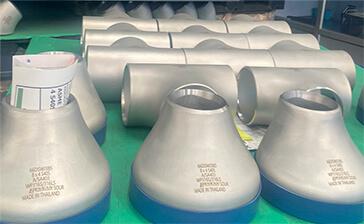
Featured ProductsPricesPlease do not hesitate to send us your inquiries anytime with convenience. Contact us today for your price inquiries and orderBenkan Pipe Fittings PhilippinesConreducer BenkanBenkan pipe fittings are a...

Pipe Coatings
Featured ProductsPricesPlease do not hesitate to send us your inquiries anytime with convenience. Contact us today for your price inquiries and orderPipe Coatings For Sale Philippines Pipe coatings protect against...

Galvanized Iron (GI) Pipes For Sale Philippines
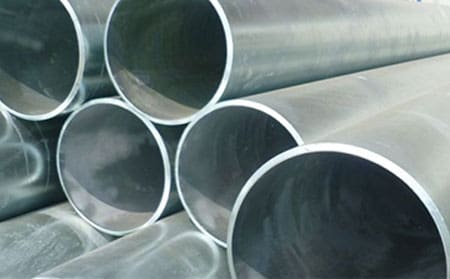
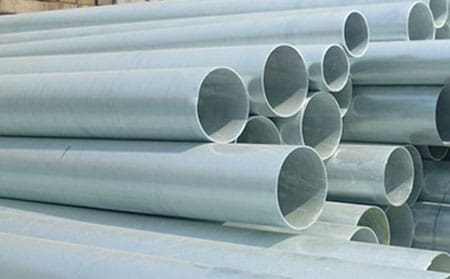
Galvanized Iron (GI) Pipes are basically carbon steel pipes that are coated with zinc to prevent corrosion. Despite the name having “Iron” in it, it is used almost always to refer to steel pipes that have gone through the Hot Dip Galvanization process.
Galvanized Iron Pipes are manufactured using mild steel strips of Low Carbon Steel Coils. The strips are passed through a series of fin rolls to give them a circular shape. The slit ends of the strips are then welded together by continuously passing high frequency electric current across the edges.
GI Pipes are generally used for distribution of treated or raw water in rural or urban areas. These pipes are cheaper, light weight and easy to handle.
Galvanized Iron Pipes are classified into 3 Grades based on their weight per meter and inner diameter thickness. The more the thickness, better the performance and durability. According to the IS 1239, each pipe shall bear a color strip across the circumference for identifying the “class” of the GI pipes.
Frequently Asked Questions
What is Galvanized Iron (GI) Pipe in the Philippines?
Galvanized iron pipes (GI pipes) are made from steel and have a layer of zinc coating on top of them, which acts as a form of protection for the metal surface. This creates a barrier against moisture, preventing corrosion and oxidation, hence prolonging the life of galvanized iron pipes.
What are the main uses of GI pipes?
GI pipes are most often used for plumbing and construction applications in the Philippines because their zinc coating protects them from rusting very easily due to the high humidity levels that are common throughout much of the Philippines.
How many types of GI pipes are there?
Locally, they are categorized by wall thickness: Schedule 40 (Standard) and Schedule 80 (Extra Heavy). They are also classified by “Class,” such as Light (Class A), Medium (Class B), and Heavy, depending on the pressure or weight they need to handle.
How long do GI pipes last?
Generally, they last between 20 to 50 years. In a controlled environment, they lean toward 50. However, in the Philippines’ salty coastal areas or if used for hot water, the lifespan might drop toward the lower end as the zinc wears down faster.
Why are my GI pipes rusting?
Rust occurs when the zinc coating erodes, exposing the raw iron to moisture and oxygen. This usually happens due to age, internal mineral buildup, or “galvanic corrosion”, which occurs if your GI pipes are directly connected to copper pipes without a proper fitting.
Can you bury GI pipes underground?
Yes but not the ideal situation. You can do this but the acidic properties of the soil along with continually being exposed to moisture will accelerate the corrosion on the zinc surface faster than if installed above ground. If you must bury them, then normally contractors apply bituminous protection or anti-corrosive tape around the pipe to prolong its longevity in the underground environment.
What are the common sizes of GI pipes?
Standard lengths are 6 meters. Common nominal diameters in local hardware stores range from 1/2 inch, 3/4 inch, and 1 inch for residential plumbing, up to 2 to 4 inches or more for industrial and structural applications.
Where to find a GI pipe supplier?
For bulk project rates, look for wholesalers in Metro Manila and nearby provinces like Laguna, or industrial suppliers in Valenzuela and Quezon City who offer mill certificates for quality assurance.
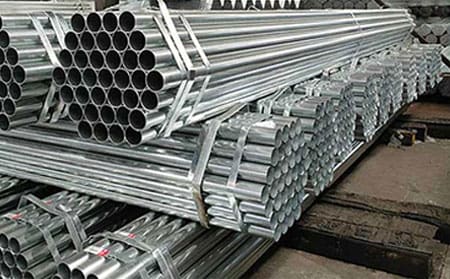
Galvanized Iron (GI) Pipe Supplier Prices
VSteel Metal Asia’s dedicated team in the Philippines ensures service excellence and customer satisfaction, delivering high-quality steel products at competitive prices for projects nationwide.
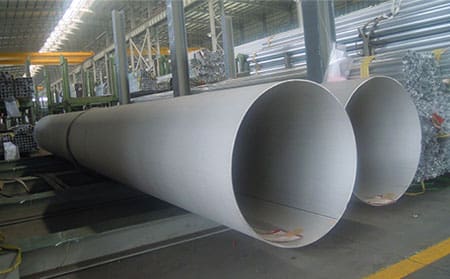
We have a wide selection of high-quality Galvanized Iron (GI) Pipes. Our GI Pipe prices will be available based on the Philippine market, specifically Metro Manila, Metro Cebu, and Metro Davao. Therefore, you are assured of a fair trade from us.
